
Phase Zero in Exercise
Where Foundations Are Built, Before Motion

Returning to exercise after a long break often feels far harder than expected. Many people experience a sudden spike in heart rate, breathlessness, and exhaustion almost immediately and even at very low intensity. This article explores phase zero in exercise: the overlooked period where the body is relearning how to cope, before fitness or motivation return. It’s the stage where most people quit, not because they’re failing, but because no one told them what was happening.
I started so motivated and ready to go. The sun is shining. The birds are loud. My favourite running music is in my ears, and for a few seconds, I feel almost like myself again. Running has always cleared my head.
Then, before I’ve even cleared the end of the road. Less than 400 yards into the run. I hit the wall.
Not a gradual fade. A full stop.
I’m not getting enough oxygen. My heart slams against my ribs, fast and panicked, completely out of proportion to what I’m doing. My legs feel like they’re dragging through thick mud, even though the ground beneath me is firm. I can’t keep running.

I slow to a walk. Not even a fast one.
I can still see my house.
As I struggle to get my heart rate under control. I turn onto the wood path, my feet barely able to step over the tree roots. I feel clumsy, heavy, and stupid in my running gear. I am dressed for an activity I clearly have no business attempting. My thoughts turn brutal, fast: I’m not a runner. I never was. I can’t even do this properly. This is embarrassing.
I try to run again. My body refuses. There’s no drama; just nothing there. No power. No rhythm. Just a flat, stubborn emptiness.
No one warns you about this run.
The first run back after a long break.
The one that breaks your heart.
Before I even left the house, I was carrying a story as I laced up my trainers about who I thought I was. I had visualised my strength returning. I remembered the rhythm of my breath, the feeling of flying, the sense that my body could take on anything. I was full of optimism, telling myself that this is just the beginning: Phase One. I thought my fitness would come back quickly, that it was an exponential curve. A painful journey, yes, but clean. Predictable. Rewarding. Because I am a runner.
What I didn’t understand in that moment was how my body would react.
As my heart rate spiked and my breath fell out of sync.
My body felt shaky, nauseous, weak.
It feels as though I am not just back at the start.
I am somehow below it.
I am no longer a runner.
Not because I stopped, but because my body is not primed for running.
This is often the moment people interpret as failure. Or weakness. Or proof that something is wrong. Some describe it as indistinguishable from an anxiety attack. Others spiral into shame: Why can’t I do this? What was the point of all that work before?
This is the moment most people quit.
But this is not failure.
This is phase zero.
What Phase Zero Is (and Why Exercise Feels So Hard at First)
Phase zero is the stage before momentum exists.
Before habit helps.
Before motivation feels reliable.
It’s the phase many people encounter when starting exercise when unfit or fatigued, where effort feels wildly disproportionate to output, and the body reacts as if you’ve asked too much, even when the task is objectively small.
Physiologically, what’s happening here isn’t mysterious, but it is deeply uncomfortable.
When you return to exercise after a long break, your systems are out of sync. As Dr Mike Israetel explains, early returns to training often involve exaggerated heart rate responses because the cardiovascular system reacts faster than the muscles and respiratory system can support. The heart rate spikes early, not because the work is extreme, but because the body is alarmed by unfamiliar demand.
Oxygen delivery, muscular efficiency, and lactate handling haven’t recalibrated yet. Muscles rely on inefficient pathways. Lactate appears early. Breathing feels chaotic. The nervous system reads this mismatch as a threat.
The body isn’t failing.
It’s relearning.
And it feels awful.
Returning to exercise after a break, your heart races before your breathing has caught up. Your legs burn at embarrassingly low effort. This is early-phase exercise intolerance, and it makes you feel fragile, exposed, and foolish. You are grieving a body that once felt trustworthy.
This is why phase zero feels humiliating, because it is not just how the body reacts; the problem is no longer physical alone, it is also motivational.
Phase Zero and Motivation: Why Wanting It Isn’t Enough
We tend to assume that if we really wanted to exercise, we would. That motivation is the missing ingredient, and if it hasn’t appeared yet, something about us must be lacking. Phase zero exposes how untrue that belief is.
In this early stage, the body hasn’t learned that movement is safe, repeatable, or survivable. When effort immediately leads to breathlessness and a racing heart, the mind responds by withdrawing motivation, not out of laziness, but as protection. Wanting it isn’t enough when the body is still bracing for impact.
This is why willpower so often collapses in phase zero, and why advice that relies on “just pushing through” can backfire. Before motivation can stabilise, the body needs evidence of repeated, tolerable experiences showing that movement won’t overwhelm it.
Dr Alok Kanojia, MD, MPH (Dr K) of the Healthy Gamer makes an important distinction here: desire is not motivation.
I want my old body back, wanting to feel strong again. Wanting to be “fit”: these are my desires. They fluctuate. They collapse under stress. They disappear the moment my body pushes back.
Motivation is different. It acts despite discomfort. It draws strength from values, not feelings.
Phase zero is where we learn about this the hard way.
It’s the phase where I wake up wanting to stay in bed.
Where I procrastinate over finding my trainers.
Where I often fiddle with the music, my keys, my fitness tracker, convincing myself I’ll start after just one more thing.
This is not me being lazy here.
It is dysregulation.
My nervous system is saying: This is unfamiliar again. Are you sure?
Phase zero doesn’t ask for force.
It asks for presence.
Can I stay long enough for my body to begin adjusting?

Why Starting Exercise Feels So Hard: Friction Before the Run Even Begins
What surprises me most is how much effort happens before I leave the house. Especially after that first run, which felt so uncomfortable physically, emotionally and mentally.
I know the advice. I’ve taught it.
I dutifully put my kit out the night before.
I decided when and where I will run, and I promised myself I will run.
To remove friction. And even use accountability by telling my husband my plan.
And still, in phase zero, I move slowly.
I lose my trainers.
I debate the music.
I forgot to start my tracker and stopped to fiddle with it.
And I wonder if I even have time before my next appointment.
None of this is accidental. It is my mind trying to delay a demand it doesn’t yet trust.
So, my mind tries to motivate me with memories of how good it felt when I was stronger, the pounding rhythm of feet on pavement, the sense of flying. But Dr K reminds me that this is ego-driven. It’s about who I used to be, not what I value now. Then, as I finally start ticking off those initial runs, my body finishes the argument my mind began.
Hope meets dysregulation.
Early-Phase Exercise Intolerance: When the Body Revolts and the Mind Agrees
On those early runs, my heart rate surges, withing minutes and sometimes seconds. In this case the heart rate spike causes the emotional dysregulation, triggering all those negative thoughts. But they are not true. I am slowing down not because I’m morally unfit, but because my body hasn’t yet learned to trust this demand. The response is fast, blunt, protective.
How my body reacts causes a felt sense of losing control.
And this causes shame to creep in.
Why can’t I do this?
I used to love running.
Other people make this look easy.
Psychologically, I recognise this moment. Many clients describe the same sensations and interpret them as anxiety. Sometimes the physiological surge does tip into panic.
But this is simply early-phase exercise intolerance, the cost of beginning again. Where the body overreacts before it remembers how to cope.
Phase zero is the window where quitting feels reasonable, and continuing feels absurd.

Building a Foundation After a Break from Exercise (What to Track Instead of Pace)
After the first few runs like this, a different question emerges: not “why is this so hard?” but “what am I meant to be building here?” Dr Mike Israetel is blunt about this phase: the early weeks aren’t about fitness gains. They’re about teaching the body not to panic. He often suggests allowing four to six weeks for the systems to re-calibrate and recommends measuring progress differently.
Instead of looking for improvements at pace or other performance measures, look for:
Heart rate settling sooner
Finding that breathing rhythm earlier
The urge to stop arriving later
Recovery improving between sessions
So this phase becomes about creating the foundation below ground. Unseen but extremely important.
I am writing a different story about myself in this phase:
This is who I am.
I am stubborn.
I don’t quit because it’s uncomfortable.
I keep going even when no one is watching, and nothing looks impressive.
And I do what I can to distract myself and make this phase survivable.
I try new routes. I test new music. I sprint between lampposts.
I see if I can make it up a small hill without stopping.
I play.
Alongside Dr Mike’s suggestions, I track something quieter:
Did I show up?
Did I stay curious?
Did I finish feeling intact rather than crushed?
This is grit without glamour.
This is the work that will make me a runner again.

Today’s Run: Getting Back on the Horse
If you’re in phase zero right now: breathless, embarrassed, wondering why something so small feels so hard, nothing has gone wrong. This phase is not a verdict on your body or your character. It’s the unglamorous beginning of adaptation.
This is the mindset I took into today’s run. Even knowing all of this, the run was still hard.
I expected it to be. I had made that part of my story.
I didn’t go out to prove anything. I went out to play. I tried a new route. I explored how slow I could go. I listened to fun music. I treated it like an experiment rather than a test.
Some parts felt heavy. Some parts softened. None of it was impressive.
And that was the point.
Because I am not proud of how far or how fast I can run.
I am proud that I get back up.
As a business owner, a mother, and someone navigating exercise after chronic fatigue syndrome, I will always need to stop. Life will interrupt. My body will demand pauses.
Consistency, for me, is not unbroken momentum.
Consistency is about restarting.
Again and again and again.
If this landed, I’d love to know what phase zero looks like for you?
About the Author
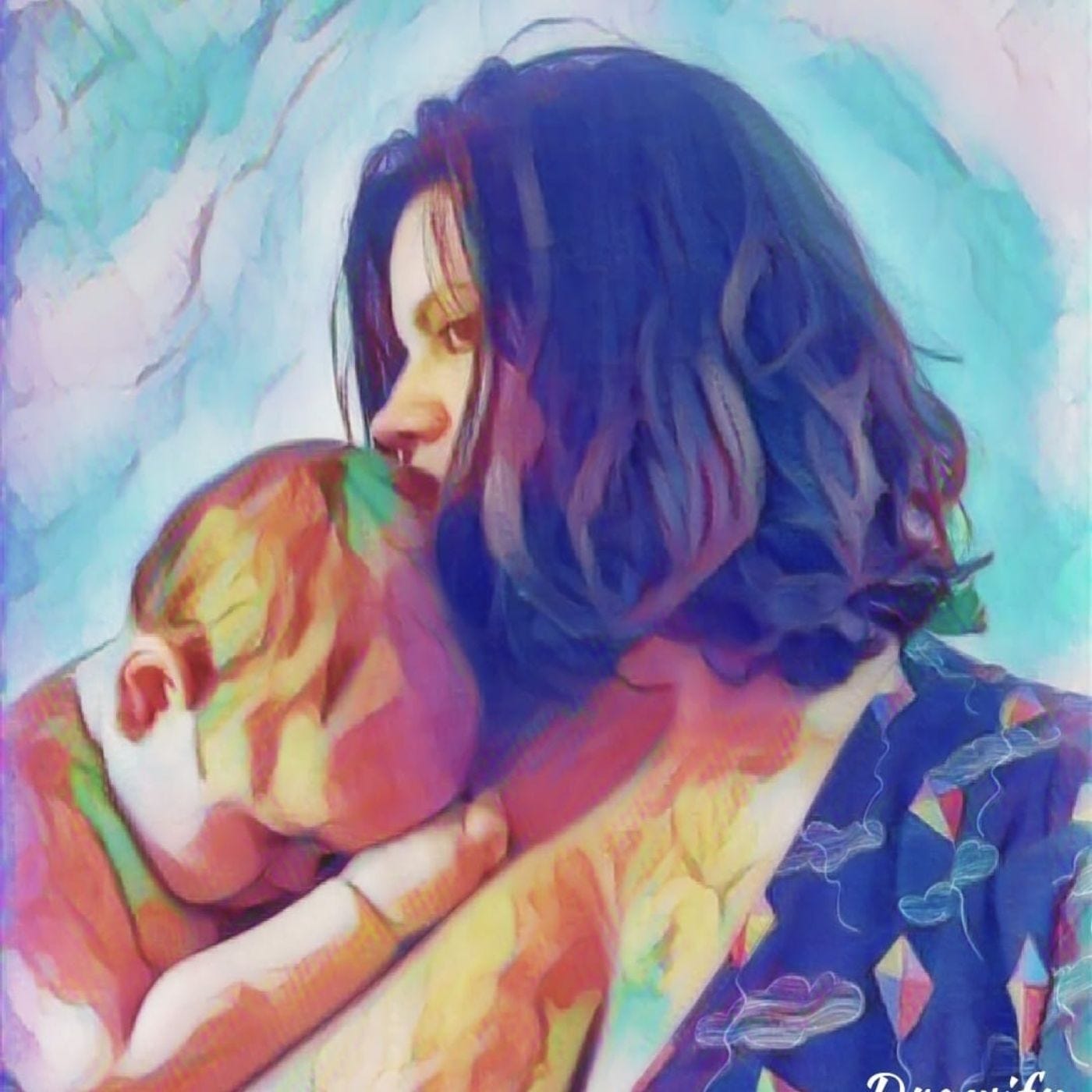
Sarah Morrell is a British person-centred counsellor specialising in helping people manage stress, burnout, and nervous system dysregulation.
She offers:
🌱 1:1 online counselling for individuals seeking calm, clarity, and confidence.
☕ Lunch & Learn wellbeing workshops for organisations — short, research-backed sessions on stress regulation, Polyvagal Theory, and communication that fit easily into the working day.
Find out more at sarahmorrellcounselling.co.uk
or book a free initial consultation
Emotions in Reality is a reader-supported publication. To receive new posts and support my work, consider becoming a free or paid subscriber.